Depression Therapy
Depression can make everything feel heavy and hopeless. But it doesn't have to be permanent. Our compassionate therapists are here to help you find your way back to hope, meaning, and joy.

What Is Depression and When Should You Seek Help?
Depression is a common but serious mental health condition that causes persistent feelings of sadness, hopelessness, and loss of interest in activities you once enjoyed. It affects how you think, feel, and handle daily activities, and it will not simply go away on its own. According to the American Psychological Association, professional treatment is effective for the vast majority of people.
At Anew Path, we understand that depression is not a sign of weakness or a character flaw. It's a treatable condition that responds well to therapy. Whether your depression is situational (triggered by a loss, life change, or difficult circumstances) or seems to have no clear cause, we're here to help.
Recovery is possible. With the right support and treatment, you can rediscover the things that bring you joy, rebuild your sense of purpose, and feel like yourself again.
What Are the Signs and Symptoms of Depression?
How Is Depression Treated at Anew Path?
We take a holistic, integrative approach to treating depression, addressing not just your symptoms but the underlying causes. Our therapists combine evidence-based techniques with a warm, supportive therapeutic relationship:
- • Cognitive Behavioral Therapy (CBT): Identify and transform negative thought patterns that fuel depression
- • Behavioral Activation: Gradually re-engage with activities that bring meaning and pleasure
- • Interpersonal Therapy: Improve relationships and address social factors contributing to depression
- • Mindfulness Practices: Develop present-moment awareness to reduce rumination
- • Holistic Wellness Support: Address sleep, nutrition, movement (including yoga classes) and lifestyle factors
Why Should You Not Face Depression Alone?
Depression thrives in isolation, but research consistently shows that therapeutic connection is one of the most effective factors in recovery. Depression often tells you that you're a burden or that things will never improve, but these are cognitive distortions, not facts. Healing happens in connection: with a therapist who understands, with loved ones who care, and with yourself as you learn self-compassion.
Taking the step to reach out is an act of courage. We're here to meet you where you are and walk alongside you on your journey back to wholeness.
There Is Hope
Depression is treatable. Take the first step toward feeling like yourself again.
Session Details
- 50-60 minute sessions
- Compassionate, judgment-free care
- In-person & telehealth available
Types We Treat
Crisis Resources
If you're having thoughts of suicide, please reach out:
988 Suicide & Crisis Lifeline
Call or text 988
Frequently Asked Questions About Depression Therapy
How do I know if I need therapy for depression?
If you experience persistent sadness, loss of interest, changes in sleep or appetite, difficulty concentrating, or feelings of worthlessness for more than two weeks, it may be time to seek professional help. Depression is highly treatable, and early intervention often leads to better outcomes.
What therapy approaches work best for depression?
Cognitive Behavioral Therapy (CBT) is considered the gold standard for depression treatment. At Anew Path, we also use Acceptance and Commitment Therapy (ACT), mindfulness-based approaches, and interpersonal therapy, tailoring the approach to each client's needs.
How long does depression therapy take?
Many people begin feeling better within 8 to 12 sessions, though the timeline varies. Some clients benefit from shorter-term focused treatment, while others prefer ongoing support. Your therapist will regularly assess progress and adjust the plan with you.
Can therapy and medication work together for depression?
Yes. Research shows that combining therapy with medication is often the most effective approach for moderate to severe depression. Your therapist can coordinate with your prescribing physician to ensure integrated care.
Do you treat seasonal depression?
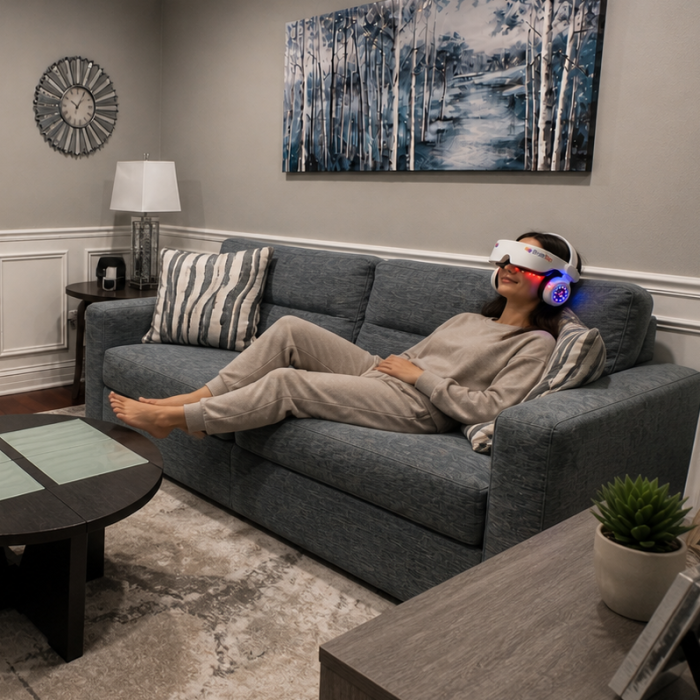
Yes. Seasonal Affective Disorder (SAD) responds well to therapy, particularly CBT adapted for seasonal patterns. We can also discuss light therapy and lifestyle strategies to complement your sessions.
Related Services
Anxiety & Panic Therapy
Depression and anxiety often occur together. Address both for complete healing.
Grief Therapy
If your depression is connected to loss, grief therapy can help you heal.
Individual Therapy
Comprehensive one-on-one therapy for all mental health concerns.
Yoga Classes
Movement and breathwork that support mood regulation and emotional resilience.
Nutrition Counseling
The food-mood connection is real. Nutritional support can complement depression treatment.
Your Story Isn't Over
Depression may have written some dark chapters, but it doesn't get to write the ending. Let us help you turn the page.