Yoga Classes
More than exercise, our yoga classes are a practice of presence, healing, and self-connection. In a supportive environment, discover how movement and breath can transform your relationship with your body and mind.
Join a Class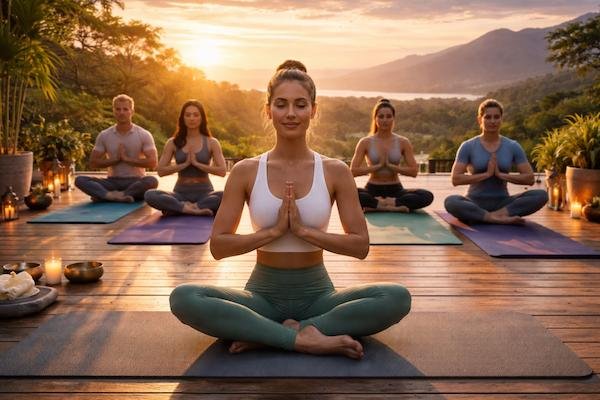
How Does Yoga Support Healing and Well-Being?
Yoga supports healing by combining physical movement, breathwork, and mindfulness to regulate the nervous system, reduce stress hormones, and improve emotional resilience. At Anew Path, our classes are designed with your mental and emotional well-being in mind, prioritizing safety, choice, and self-compassion over achieving perfect poses.
Whether you're new to yoga or have practiced for years, our classes meet you where you are. We offer modifications for every body and invite you to listen to your own needs throughout the practice.
Regular yoga practice has been shown to reduce stress hormones, calm the nervous system, improve sleep, decrease anxiety and depression symptoms, and increase body awareness, making it a powerful complement to stress management therapy.
What Are the Benefits of Yoga for Mental Health?
How Do Yoga Classes Support Mental Health?
Yoga activates the parasympathetic nervous system, reducing cortisol levels and calming the stress response. Research from the National Institutes of Health has shown that regular practice can reduce symptoms of anxiety, depression, and PTSD, while improving sleep, focus, and emotional regulation. Our certified instructors teach a variety of styles to meet different needs:
- • Restorative Yoga: A deeply relaxing style using props (blankets, bolsters, blocks) to support the body in passive poses held for several minutes. Activates the parasympathetic nervous system, making it ideal for reducing stress, anxiety, insomnia, and burnout.
- • Integrative Yoga Therapy: Combines postures, breathwork (pranayama), meditation, yoga nidra (guided relaxation), and sometimes mantra or mudras tailored to individual needs. Often offered for targeted support with depression, chronic stress, or emotional healing.
- • Balancing Chakras: A deeply restful practice centered on balancing the chakras: energy centers that support physical vitality, emotional balance, and mental clarity. Through supported postures, gentle breath, and intention, every two weeks we focus on a different chakra and explore its purpose.
- • Yin Yoga: Holds floor-based poses for 3–5 minutes or longer to target connective tissues, while promoting introspection and mindfulness. Gentle and meditative, great for emotional release, improving flexibility without strain, and supporting mental clarity.
- • Slow Flow Vinyasa: A gentle, continuous style that links breath with slow, intentional movement through a series of flowing postures. Emphasizes mindful transitions, balance, and body awareness, ideal for those seeking a calming yet active practice that supports stress relief, flexibility, and focus.
- • Hatha Yoga: A foundational, balanced practice focusing on basic postures, breathing, and alignment at a gentle to moderate pace. Serves as an accessible introduction to yoga, building body awareness and reducing mild anxiety or depression symptoms.
Class Details
- 60-75 minute classes
- Small group sizes
- Supportive, mindful instruction
What to Bring
- • Comfortable clothing
- • Water bottle
- • Open mind
- • Mats & props provided
Current Class Types
See details and upcoming sessions for each yoga class we currently offer. These pages stay up to date as the schedule changes.
Frequently Asked Questions About Yoga Classes
Do I need experience for your yoga classes?
No prior experience is needed. Our classes welcome all levels, from complete beginners to experienced practitioners. Instructors offer modifications so everyone can participate comfortably.
What styles of yoga do you offer?
We offer Yin Yoga, Slow Flow Vinyasa, Hatha Yoga, Restorative Yoga, Integrative Yoga Therapy, and Chakra Balancing classes. Each style serves different needs, from deep relaxation to gentle strengthening.
How does yoga support mental health?
Yoga activates the parasympathetic nervous system, reducing cortisol levels and calming the stress response. Regular practice has been shown to reduce symptoms of anxiety, depression, and PTSD, while improving sleep, focus, and emotional regulation.
What should I bring to class?
Wear comfortable clothing you can move in. Mats and props (blocks, straps, bolsters) are provided. Bring water and arrive 5–10 minutes early for your first class.
Related Services
Meditation & Mindfulness
Deepen your mindfulness practice with dedicated meditation sessions.
Reiki Sessions
Complement your yoga practice with energy healing for deep restoration.
Stress Management
Combine yoga with therapy-based stress management techniques.
Anxiety & Panic Therapy
Combine yoga with evidence-based therapy for comprehensive anxiety relief.
Trauma Therapy
Body-based practices like yoga complement trauma processing and recovery.
Find Your Practice
Yoga is a journey, not a destination. Start wherever you are and discover what your practice can become.